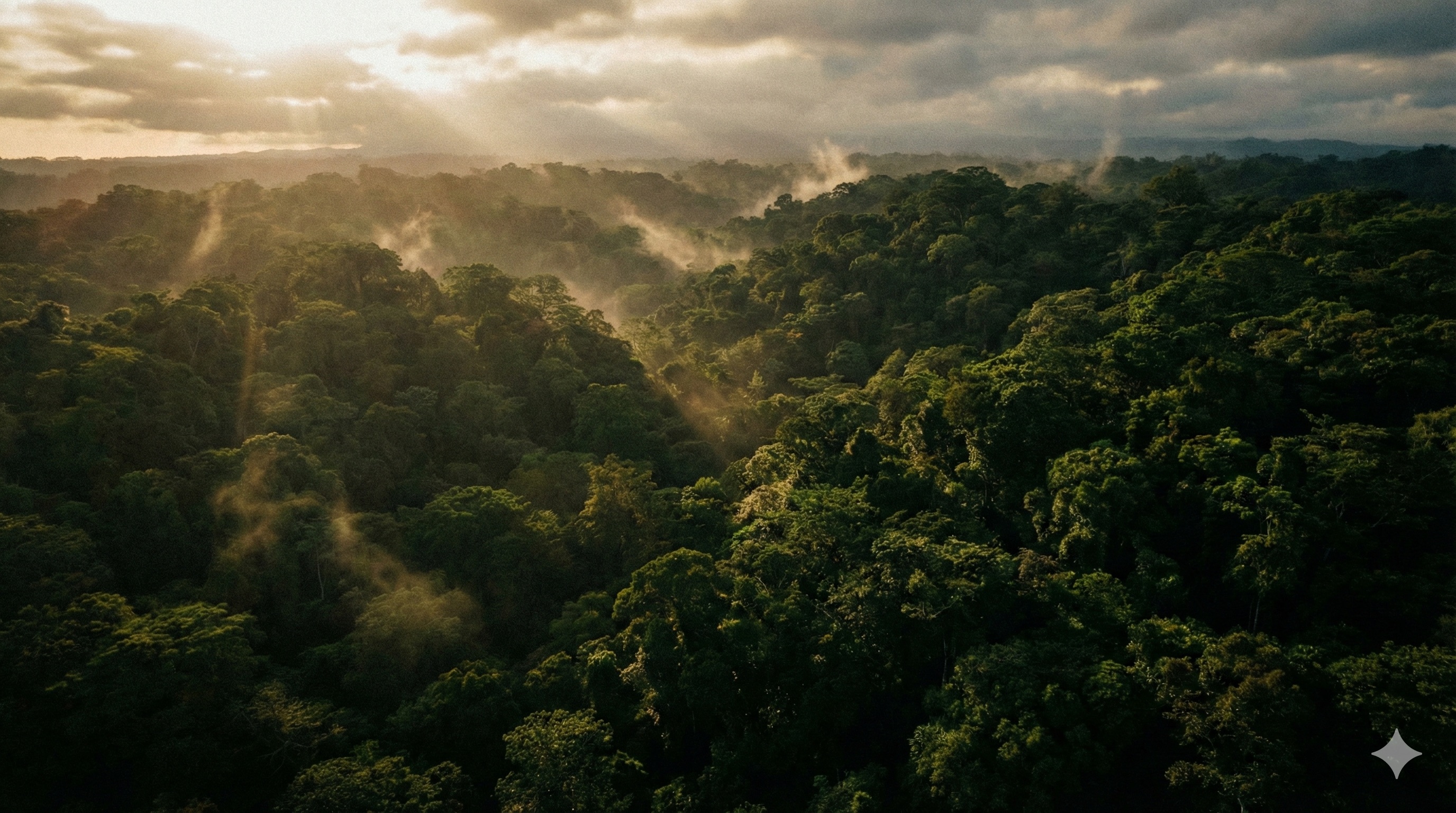
Costa Rica Rainforest

Founder's Story

Three decades of building community in one of the most beautiful places on Earth.

The Founder
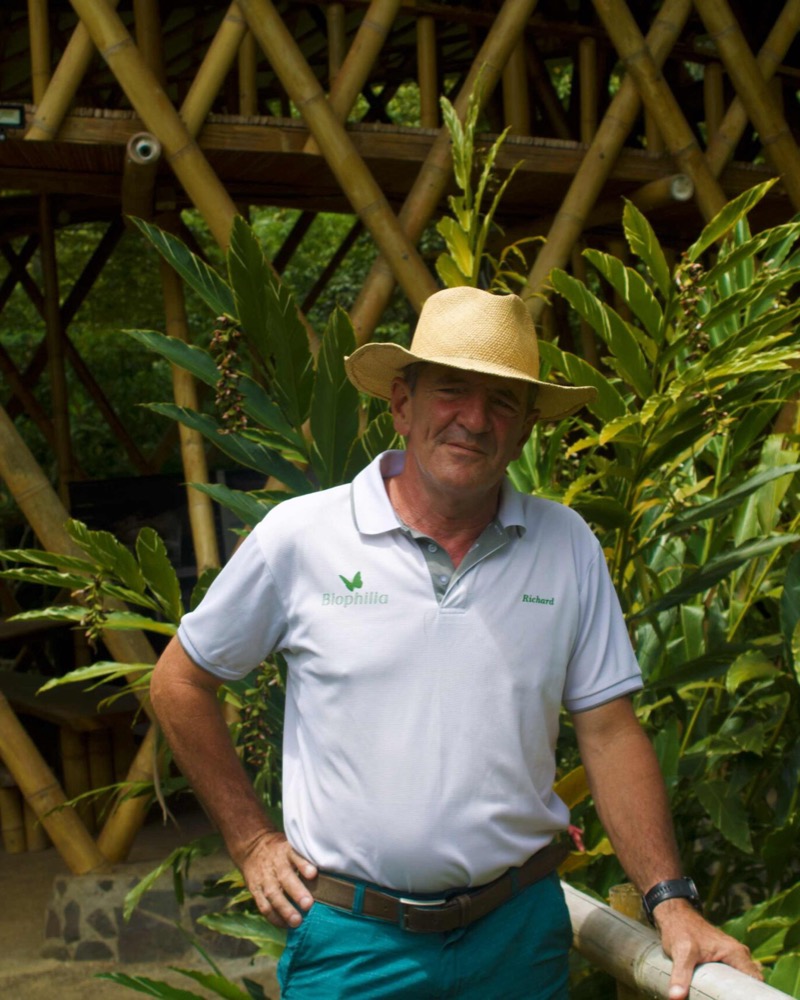
Richard Lemire

Richard Lemire, Quepos resident since 1991

Richard Lemire

Richard Lemire has been part of the Quepos–Manuel Antonio community for more than three decades, known locally as a builder, entrepreneur, and committed advocate for conservation.

Born in Quebec, he learned self-reliance early, helping support his family after his father passed away when Richard was ten. His work ethic carried him through years in Vancouver's construction industry, where he gained the skills and experience that would later shape his life in Costa Rica.

After extensive travel through Asia and a desire to live somewhere warm, peaceful, and environmentally oriented, he chose Costa Rica and moved to Quepos in 1991.

"I'm grateful to be happily stuck in this beautiful town."

Soon after arriving, Richard partnered with two Canadians to begin developing what would become Manuel Antonio Estates. When early plans didn't unfold as expected, he shifted his focus and built Hotel California, a project that occupied nearly a decade and allowed him to connect with visitors from around the world.

After selling the hotel in 2000, Richard recommitted to the area he now considered home. He bought out his former partners, continued building luxury homes and apartments at Manuel Antonio Estates, and established the Rainforest Spa — managed by his partner, Martha Chinchilla — with an ambience inspired by his travels in Asia.

1991
Moved to Quepos
1990s
Built Hotel California
2000
Manuel Antonio Estates
Today
Palmas Pacífica

Richard's work has always been guided by a deep belief in environmental preservation. He has been active in efforts to improve Manuel Antonio National Park, expand sustainable visitor access, and promote ecological connectivity between protected areas.

He also developed a residential project in Palmas Pacífica, preserving one of the last pieces of primary rainforest in Quepos. Through community collaboration, reforestation advocacy, and support for local planning, Richard has helped shape Manuel Antonio into the vibrant, nature-rich destination it is today.
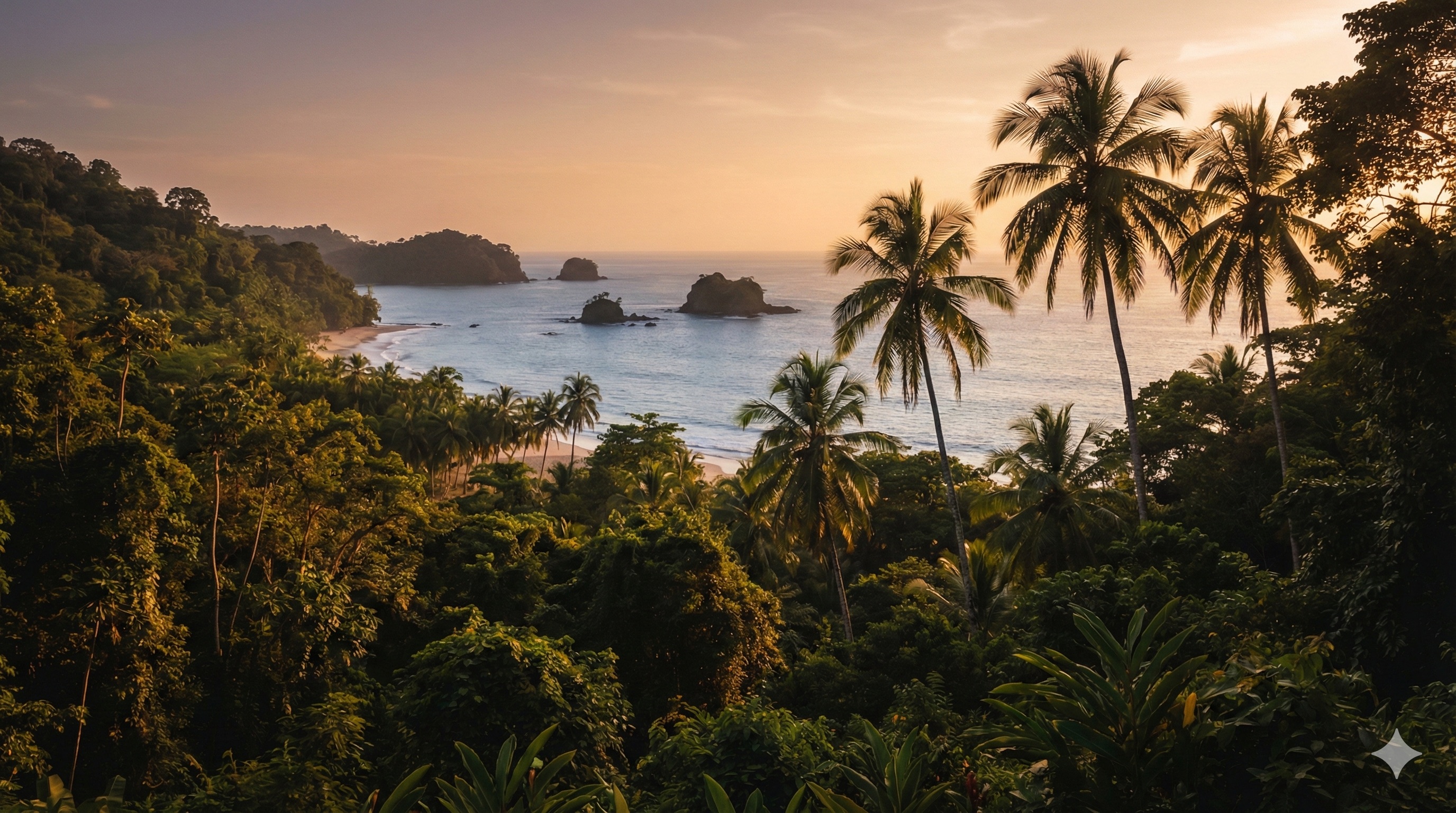
Costa Rica Landscape

Buying Property in Costa Rica

A practical overview for prospective buyers

Purchasing property in Costa Rica is straightforward when you understand the basic documents that define a property and when you work with qualified local professionals. The two key records to review are:

Title Record

The finca / escritura inscrita filed in the National Registry shows ownership, liens, and legal status.

Survey Plan

The plano catastrado on file with the National Cadastre maps the property's boundaries and dimensions.

Because some properties—especially older ones—may have minor inconsistencies between their title record, survey plan, and the physical boundaries, it is standard best practice to hire a licensed topographer to verify the land on-site.

Working with an Attorney–Notary

All real estate transfers in Costa Rica must be carried out by a Notary Public, who is also a licensed attorney authorized by the Supreme Court. A reputable local attorney will:

  • Perform a full title search in the National Registry
  • Confirm that taxes are paid and the survey plan is valid
  • Check for liens, encumbrances, annotations, and mortgages
  • Prepare and register the transfer deed

Most attorneys in established markets such as Manuel Antonio are accustomed to foreign buyers and handle these steps smoothly.

Typical Documentation for Closing

Although the notary handles the legal formalities, the following items are normally reviewed or requested:

Property Tax Clearance

Showing municipal property taxes (impuesto sobre bienes inmuebles) are current.

Municipal Certificate

The constancia municipal confirming the property's status in the local municipality.

Lien Release

Proof that any existing liens or mortgages have been lifted prior to transfer.

Closing Costs

Payment of notary fees and registration fees. It is common—not mandatory—that the buyer and seller split these equally.

Buying Land vs. Buying an Existing Home

Many buyers consider whether to purchase an existing home or build on a parcel of land. Both options are viable; the choice depends on your preferences and timeline.

If You Build

  • Construction permits must be filed by a licensed professional registered with CFIA
  • Hire reputable builders and work with clear, detailed contracts
  • Expect variable timelines, especially in coastal areas

If You Buy Existing

  • Immediate move-in availability
  • Known costs without construction variables
  • Established landscaping and infrastructure

Neither approach is inherently riskier—you simply want competent professionals and clear communication.

Final Thoughts

Costa Rica's real estate system is well-established, transparent, and accessible to foreign buyers. With a knowledgeable attorney–notary, a proper review of the title and survey plan, and a bit of due diligence, purchasing property is a smooth and secure process.

Ready to Explore?

Discover available homesites and homes in our private rainforest community.